Choosing My Parents
During the first half of my fifties, I visited my parents in Florida a few times a year for a few days at a time. Then a friend, whose parents had died when she was in her early twenties, convinced me I should visit my folks every month. So I flew from D.C. to Florida and stayed with my mom and dad one night each month. I had a boyfriend and was always anxious to get home, even if I didn’t see him every day.
Once a week I spoke on the phone to my parents for around 10 minutes. My mom would answer and my dad would get on the other line. Every year on my birthday they would call and sing a duet of Happy Birthday on my answering machine tape.
I always had rich conversations and great fun with my mom and dad. My dad, who began to shave his head at the age of 40, looked like Yul Brynner and was a spiffy dresser.
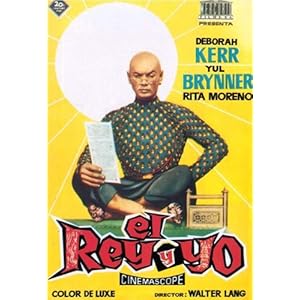
But we would crack up whenever I kidded him about his pair of shoes from the Seventies or his jacket of the same vintage whose collar my mom had slashed and stitched. My mother and father would have been my dear friends even if they hadn’t been my parents.
But they were my parents so, though I deeply appreciated that I had them in my life, I gave more thought to how frequently I ought to visit them than I did to the actual pleasure of those times together. Whenever I would leave them, my dad would say, “Oh, Sooze, it’s such a short visit.” He wouldn’t say more, because that’s the way he was. He never wanted to impose on his children.
If I were at all willing to be sappy, I would say the disappointed look on his face when we parted tugged at my heart.
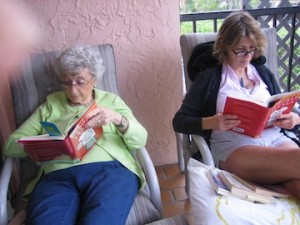
Then, one month in 2006, I stayed for 2 nights, which made me decide that from then on I would stay for 2 nights instead of only 1. It was 2006, which I know, not because I can ever remember that’s the year my dad died, which I can’t, but because on those joyous 2 days, my dad took a picture of my mom and me, legs outstretched on their screen porch awhile we each read our copy of Deborah Tannen’s book “You’re Wearing That? Understanding Mothers and Daughters in Conversation,” which had just come out. I was writing an article about author and Georgetown University professer Tannen and my mom had coincidentally borrowed “You’re Wearing That?” from the library.
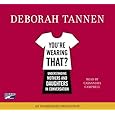
I sent Deborah Tannen a copy of the photo. Remarkably, she said the photo of my mom looked exactly like her deceased mom and that she was keeping it on her desk. This delighted me because I had great admiration for Deborah; our lookalike mothers made me feel bonded with her.
It was only a few weeks later, one month before my father’s 87th birthday, that my sister called to say our Dad had pancreatic cancer. Thirteen days later he died, but not before he had the chance to sit in a wheelchair at the rehab place, wearing his characteristic plaid short sleeve shirt and khaki Bermudas, in a circle with his children and grandchildren. My dad loved life and had been a magnet for all the other elderly at the independent living facility, where they voted him “Prom King” and where he greeted each resident by name every day at breakfast. Yet, ever the optimist, Dad told us, “I’m not afraid to die, in fact I’m looking forward to it.”
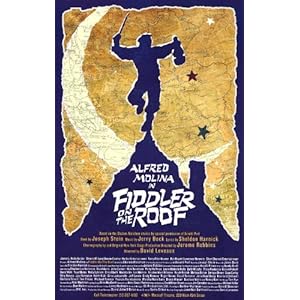
That night the family circled my dad’s bed and we all sang: “Fiddler on the Roof” songs (he’d played the role of Perchik), Irish songs (he loved trilling the r’s) and “I Been Workin’ on the Railroad.” Dad’s roommate listened while his aide wiped away a tear. When I said I was from DC, the aide told me she had been an aide to Deborah Tannen’s mom for years.
When I set out to write something, it usually surprises me where it ends up. I had intended this post to be about my mom and how ever since my dad died, we talk every day. Not just for 10 minutes and I wonder, among other things, how I’ll fill the void of not having those talks after she dies (assuming she predeceases me, a worrywart can never be too sure).
It reminds me of my interview with Deborah Tannen, during which she told me she talked to her dad every day for 45 minutes or an hour. It was as though she had given me permission to chat that long with my parent.
Mom’s and my favorite subject is politics, though she is thoroughly fed up with the behavior on Capitol Hill. My mom is about to turn 92 now, and her mind is as clear as ever, though sometimes it feels like we’re playing trivia.
Me: So who was on Oprah today, Ma?
Mom: Oh, you know, the pretty one with long hair and glasses.
Me: Gloria Steinem?
Mom: That’s it!
The guessing game goes the other way too, where I can’t remember and give clues and she gives the right answer.
My mom also gets great pleasure from life and seems more content than anyone I know, enjoying everything from Bach to Bingo. Maybe that’s because she has so few choices each day: pot roast or pasta, Oprah or Ellen, Moment Magazine or Malcolm Galdwell.
One benefit of divorce is that, over these years, it has afforded me more time to spend with my parents. I know how lucky I am both to have had that choice and to have made that choice.
How do you find pleasure with your elderly (or not so elderly) parents?
See also:
*Refreshing Summer Drinks For July 4th Parties Or Anytime
*My Mom’s Do-It-Yourself Decorating Tips
*Joyce Maynard Adopted Two Girls From Ethiopia Then Gave Them Up
Leave a Reply